
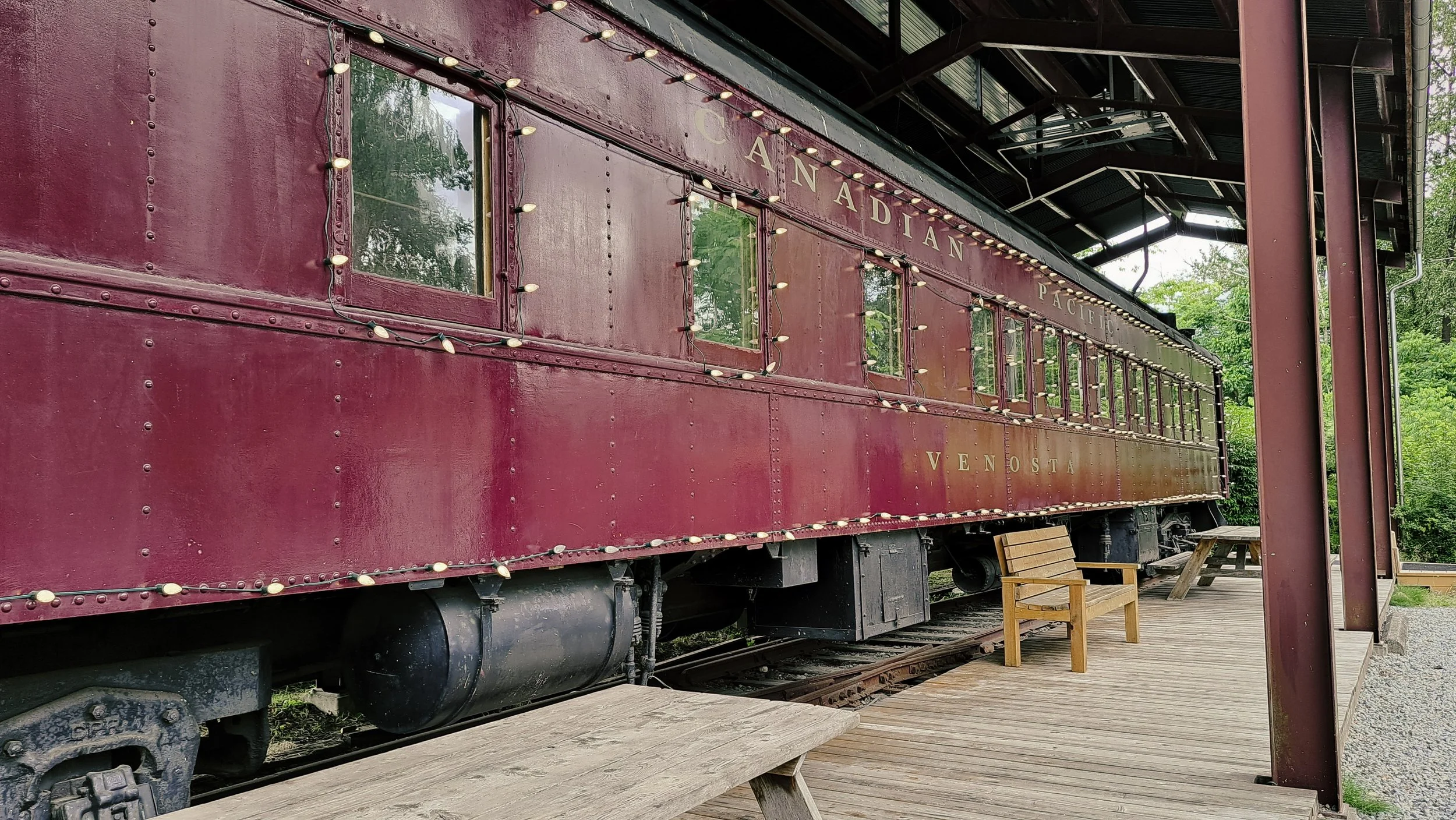
History of The Venosta Train Car
The Venosta train coach is the POMO Museum’s standout piece of railway memorabilia. It was a first-class sleeper coach built in 1921 for the Canadian Pacific Railway by Canadian Car & Foundry (CC&F), one of the most prolific railway coach builders of the early 20th century. CC&F had many factories across Canada, with Venosta being built at their Montreal facilities.
The Venosta
1921 CPR PASSENGER TRAIN CAR
Early History
Venosta was one of many so-called “Heavyweight” coaches found throughout North American railways in the early 20th century. These coaches were typically built with a steel frame on a concrete floor. In contrast to the previous generation of coaches which were built primarily of wood, steel coaches allowed for smoother rides, were more durable, and were safer in the event of a crash.
While train companies nowadays use fleet numbers to identify their passenger coaches, in the old days it was also common to see coaches given names instead. When Venosta was first built, it was originally named “Glen Otter”, as it was from a series of 13 coaches all given a “Glen” name. In 1927, it was renamed to “Glenatha”.
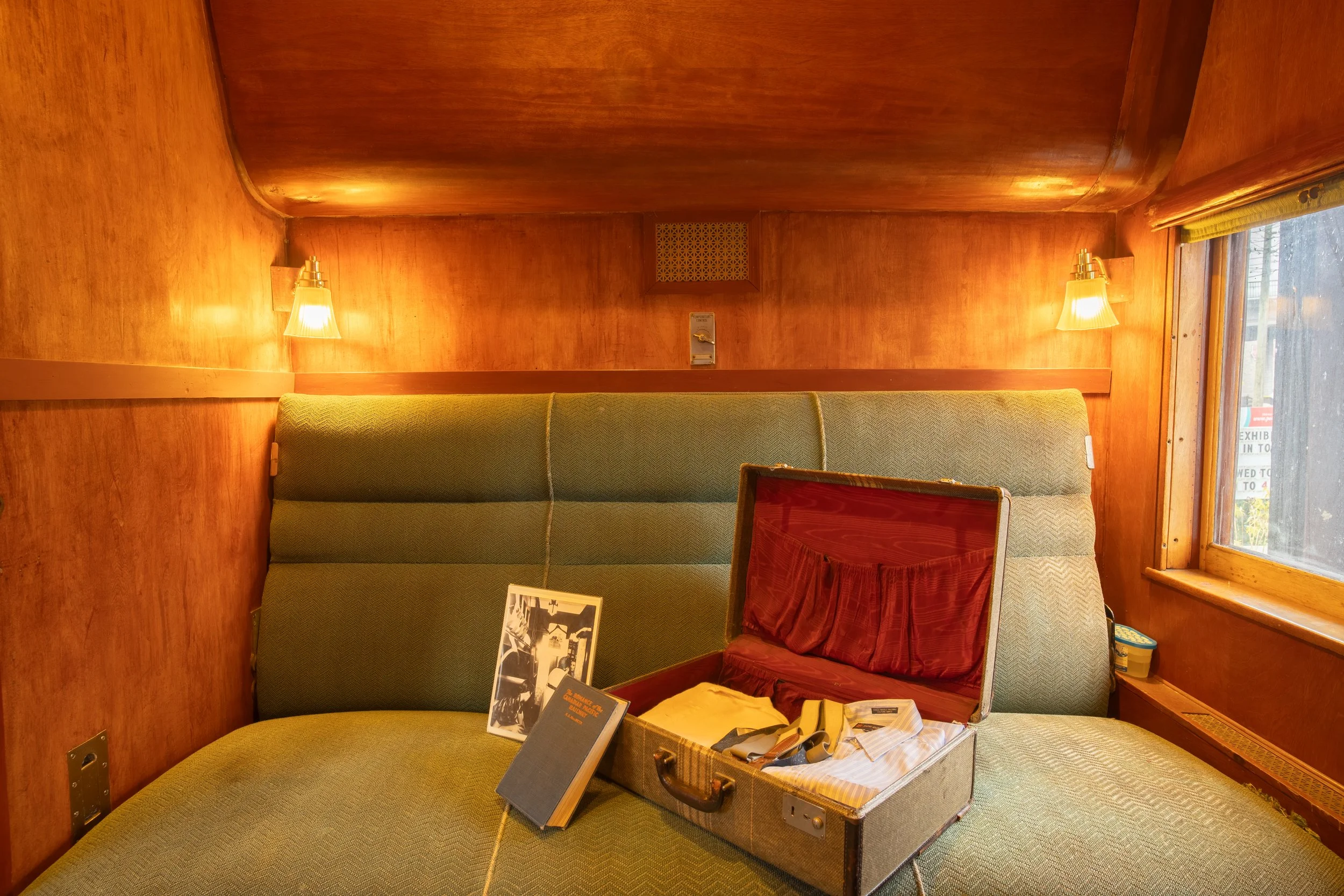
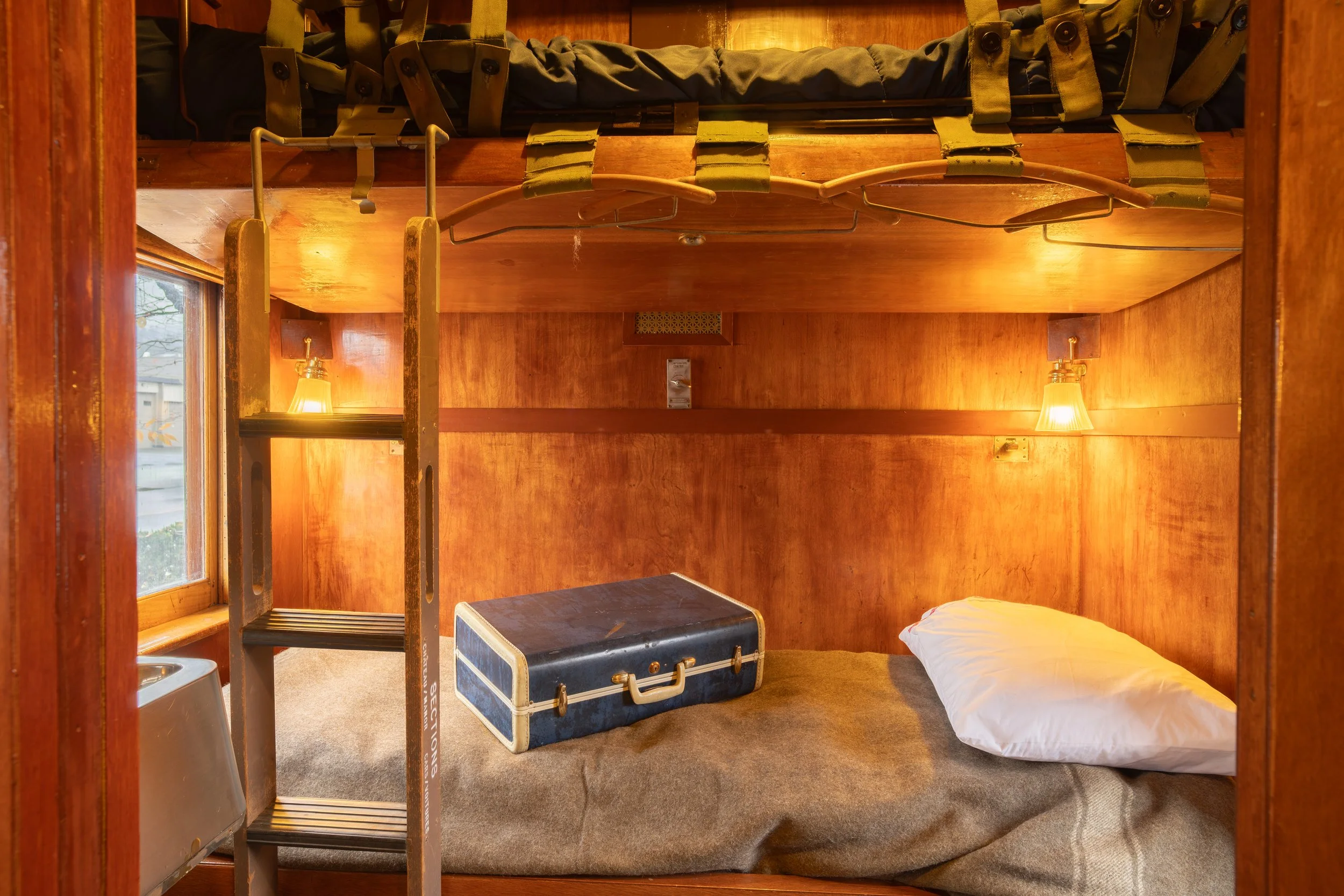
As a sleeper coach, Venosta originally had 10 passenger berths, with 2 beds per berth. The berths, deck mouldings, and interior partition work were built primarily of mahogany with marquetry on the walls and teak edging.
The interiors were designed with passenger comfort in mind - each compartment featured individual heating and ventilation controls, and were equipped with long baggage racks, an umbrella rack, trays, hooks, a sink, and a toilet. One end of the car contained a ladies’ powder room, and at the other end was a porter’s room, vapour heater and linen locker.
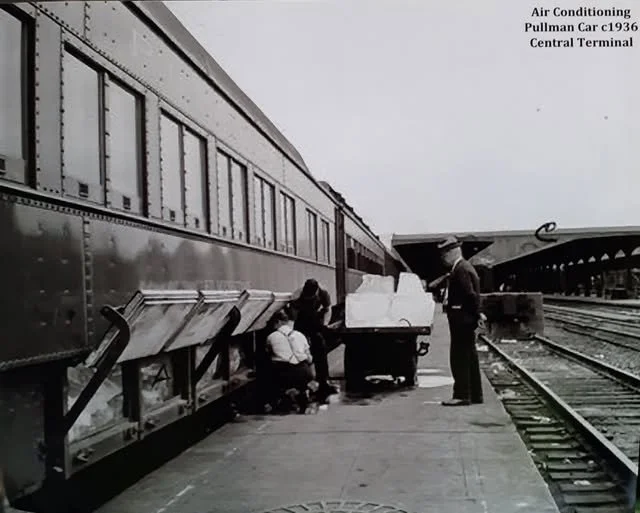
Perhaps most interestingly, Venosta had an early form of air conditioning where blocks of ice would be placed below the passenger compartment, which would allow cool air to flow through pipes into the passenger areas and be circulated around as the train moved. This air conditioning method was the standard way to cool trains during the early 20th century.
(Image source: New York State Archives)
An Evolving Coach
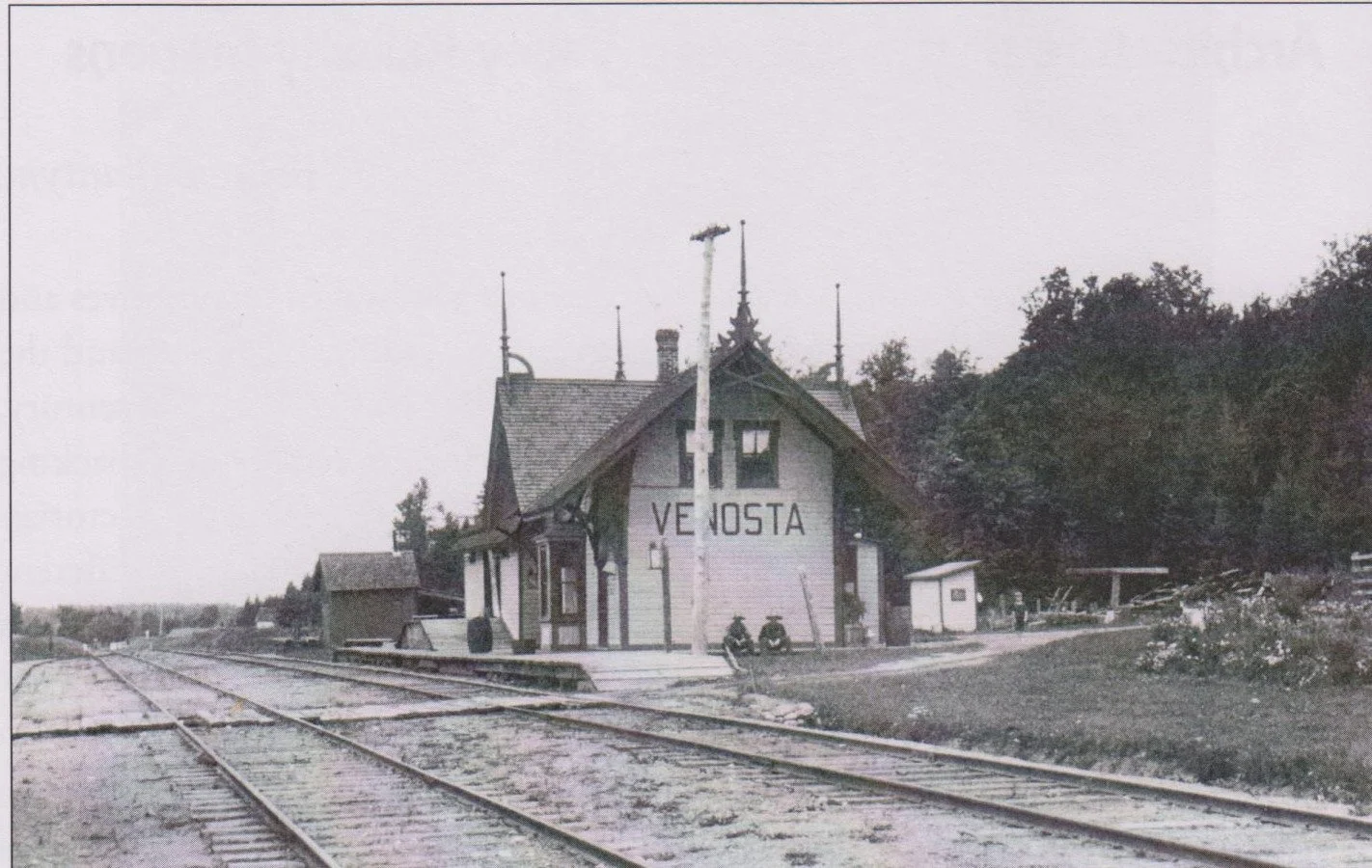
In 1942, the coach was extensively renovated at CP Rail’s Angus Shops in Montreal, being converted into a boarding car with 4 bedrooms and 32 seats. In its rebuilt form, it was rechristened to its current "Venosta" name after the small town of Venosta, Quebec, where a train station had been built c. 1900.
(Image Source: Réseau du Patrimoine de Gatineau et de l’Outaouais)
Retirement & Repurposing
Into the 1950s, Venosta and other “heavyweight” cars were gradually removed from service for both practical and technical reasons. Besides being decades old, better coach building techniques and lighter materials like aluminium and stainless steel came into use, offering better acceleration and braking, even greater safety improvements, and vastly lower maintenance costs. Thus, Venosta and similar coaches had largely become obsolete.
In November 1964, CP Rail officially removed Venosta from passenger service and refurbished the coach for training railway employees. Venosta had now been renamed again, this time to CP Rail’s Safety Instructional Car No. 49 and was used in various cities across Alberta, such as Calgary and Edmonton. It was used for this purpose until 1985, when it was retired for good.
While many retired railway carriages are scrapped after retirement, Venosta was spared for preservation, and there are also two ‘sister’ coaches to Venosta that also survive. These were part of the same series of 13 “Glen” coaches, and both are at railway museums in Alberta, operating as part of their respective museums’ heritage passenger excursion fleets.
Restoring Venosta
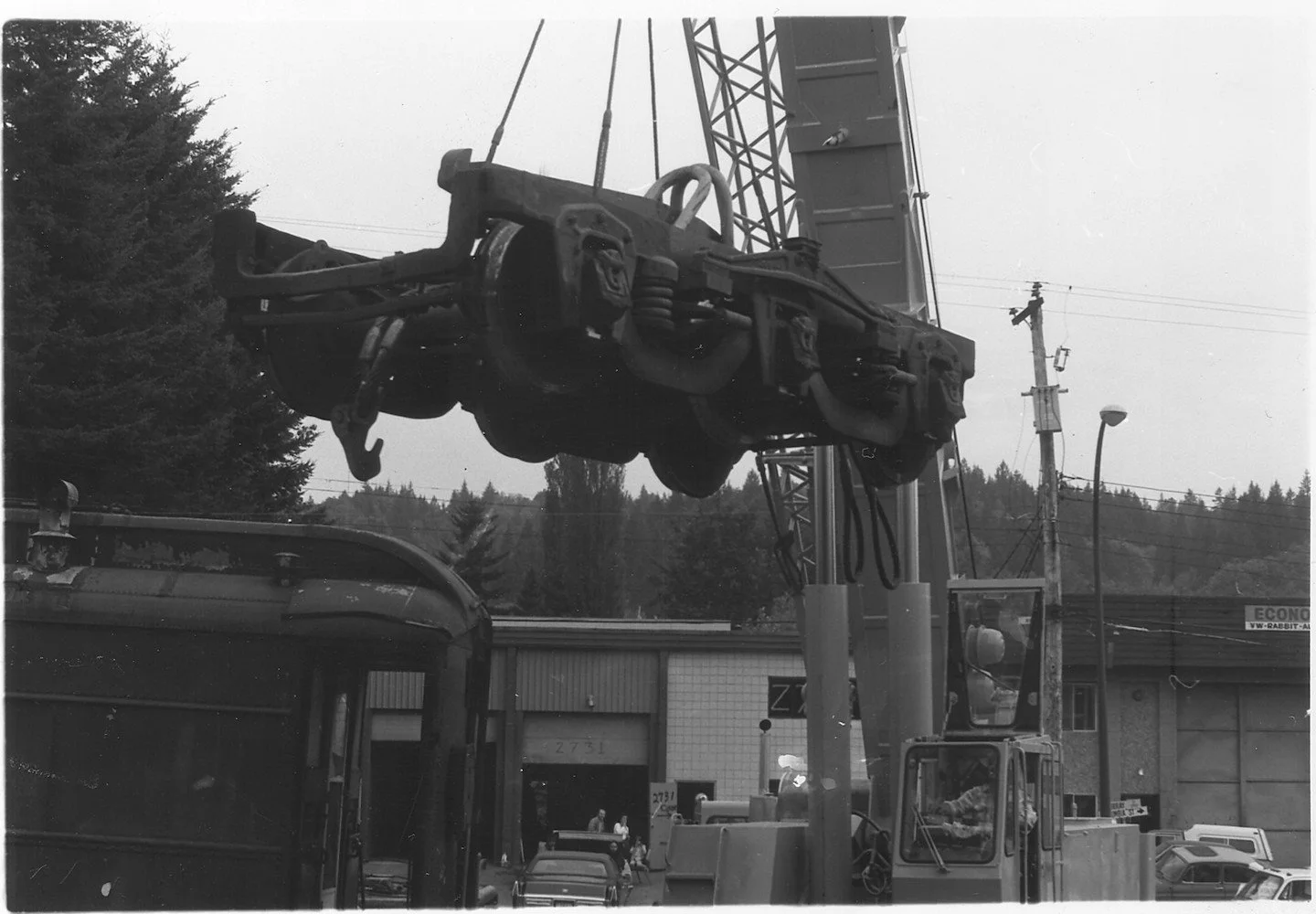
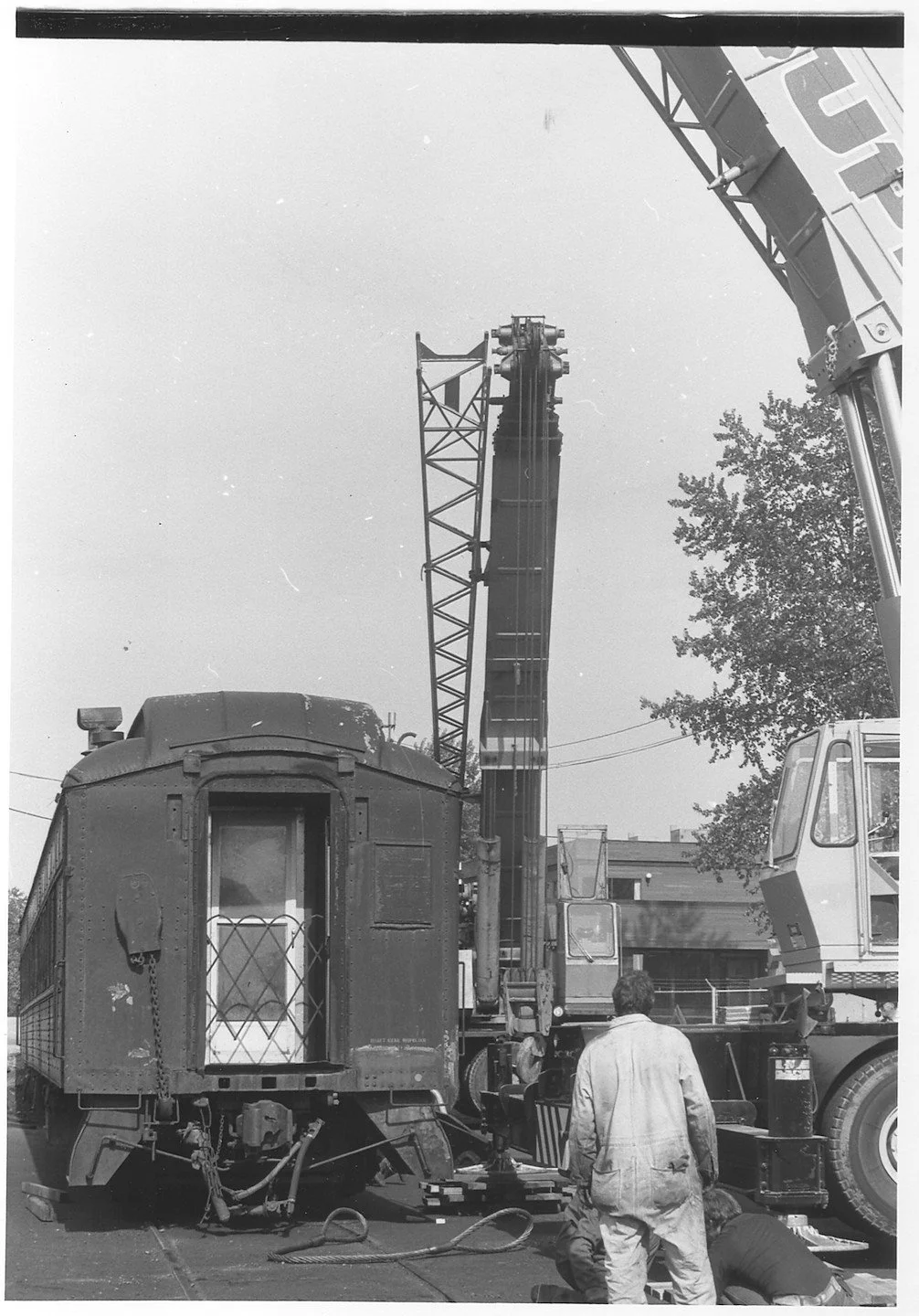
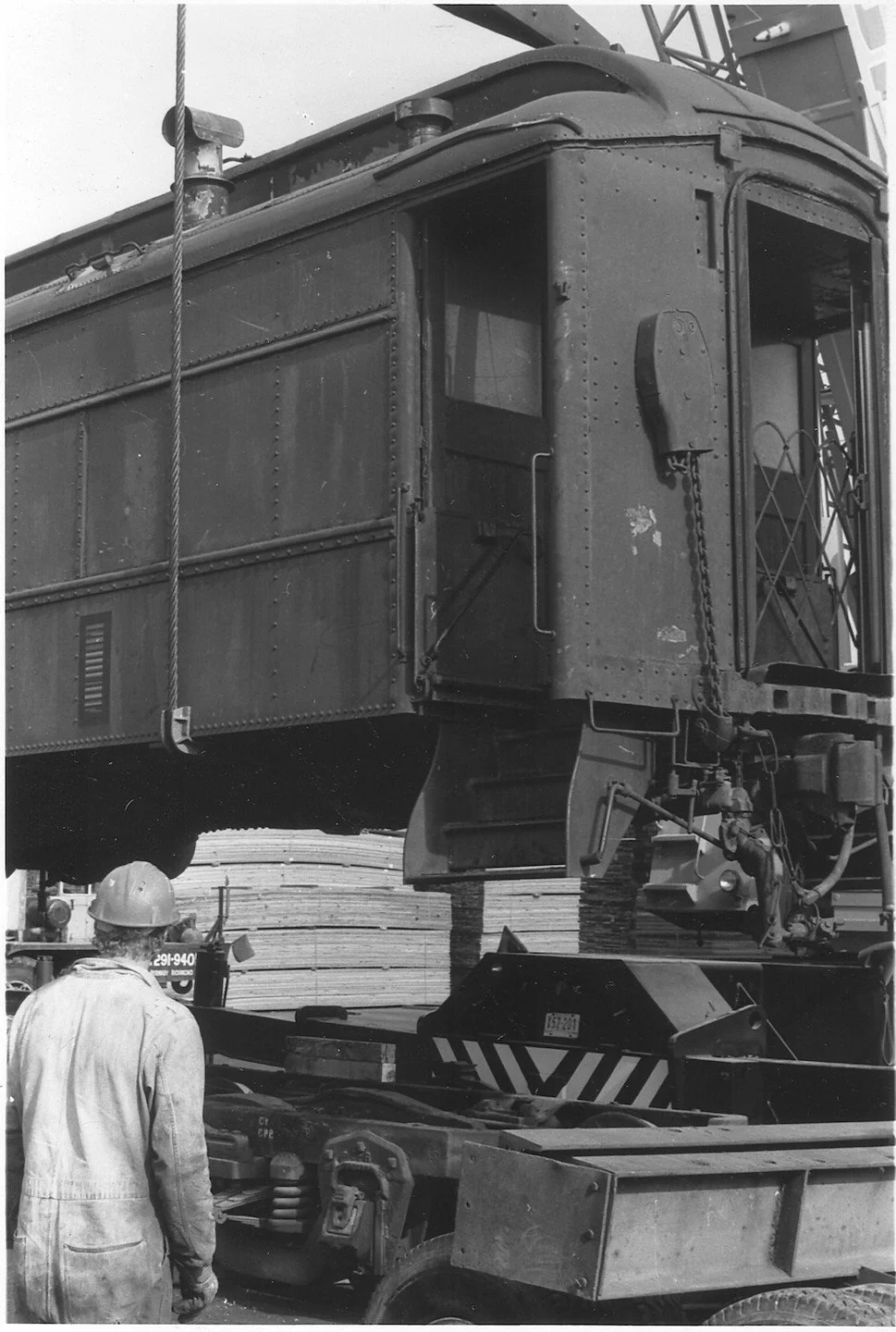
After retirement, Venosta (still under its CP Safety Car identification) was transported to the POMO Museum. To achieve this, the coach shell was separated from its two wheelsets (or bogies, to use the technical term), which were lifted by crane onto flatbed trucks, transported to the museum site, and then placed by crane to their current exact spots. The coach shell was then placed back onto the bogies.
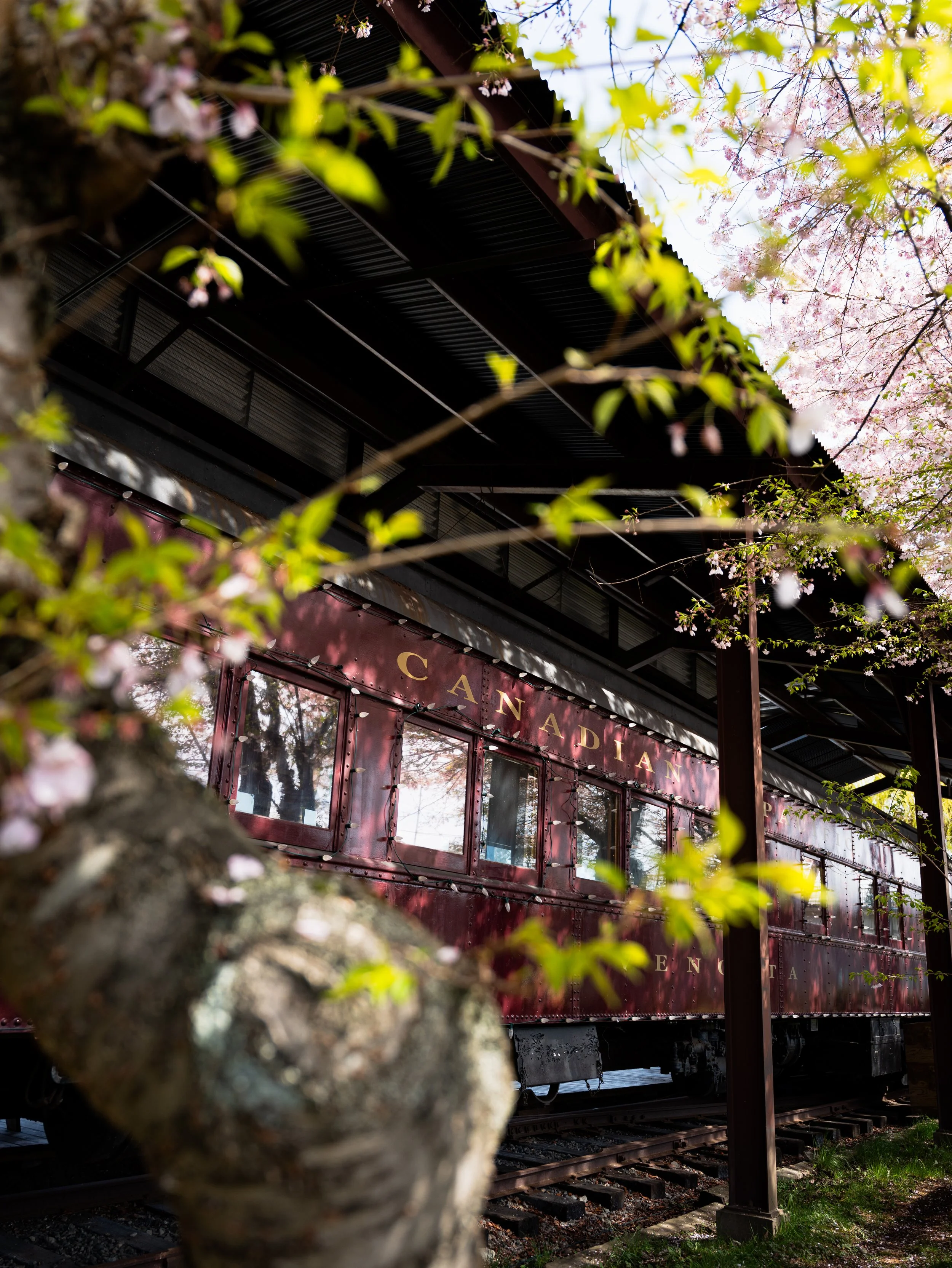
Restoration of the railcar began in the autumn of 1987, with the assistance of volunteers from the Port Moody Heritage Society and the West Coast Railway Association. The restoration effort was massive and had several challenges. For example, much of the interior had water damage, it needed new electric wiring for the heating, and new lighting systems were required. The car was cleaned, new carpeting was added, a fully functioning washroom was added, new fibreglass insulation replaced the old horsehair insulation from the 1920s, and finally the exterior was restored to CP Rail’s vintage Tuscan Red paint scheme with gold leaf text lettering, at which point it was renamed back to Venosta.
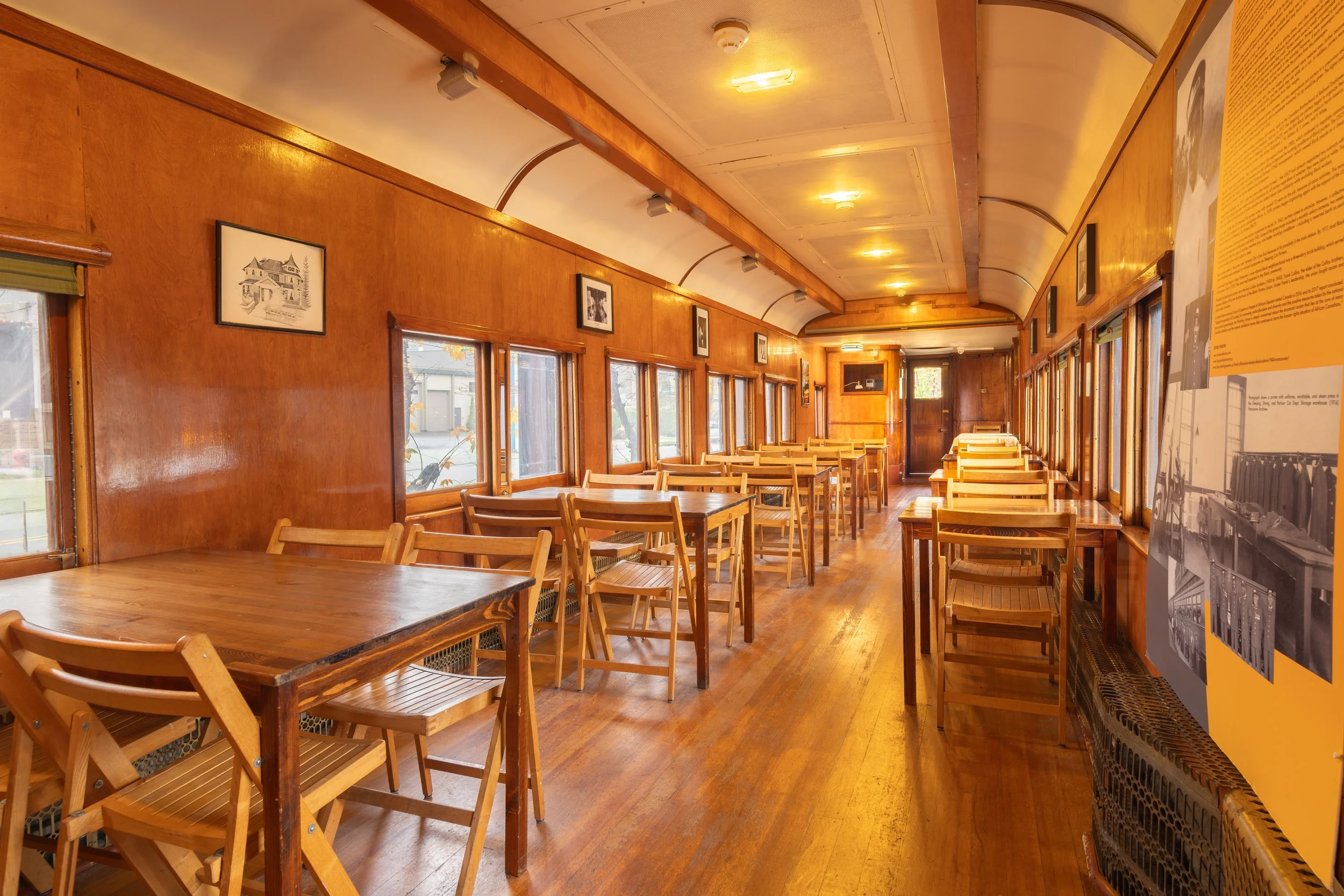
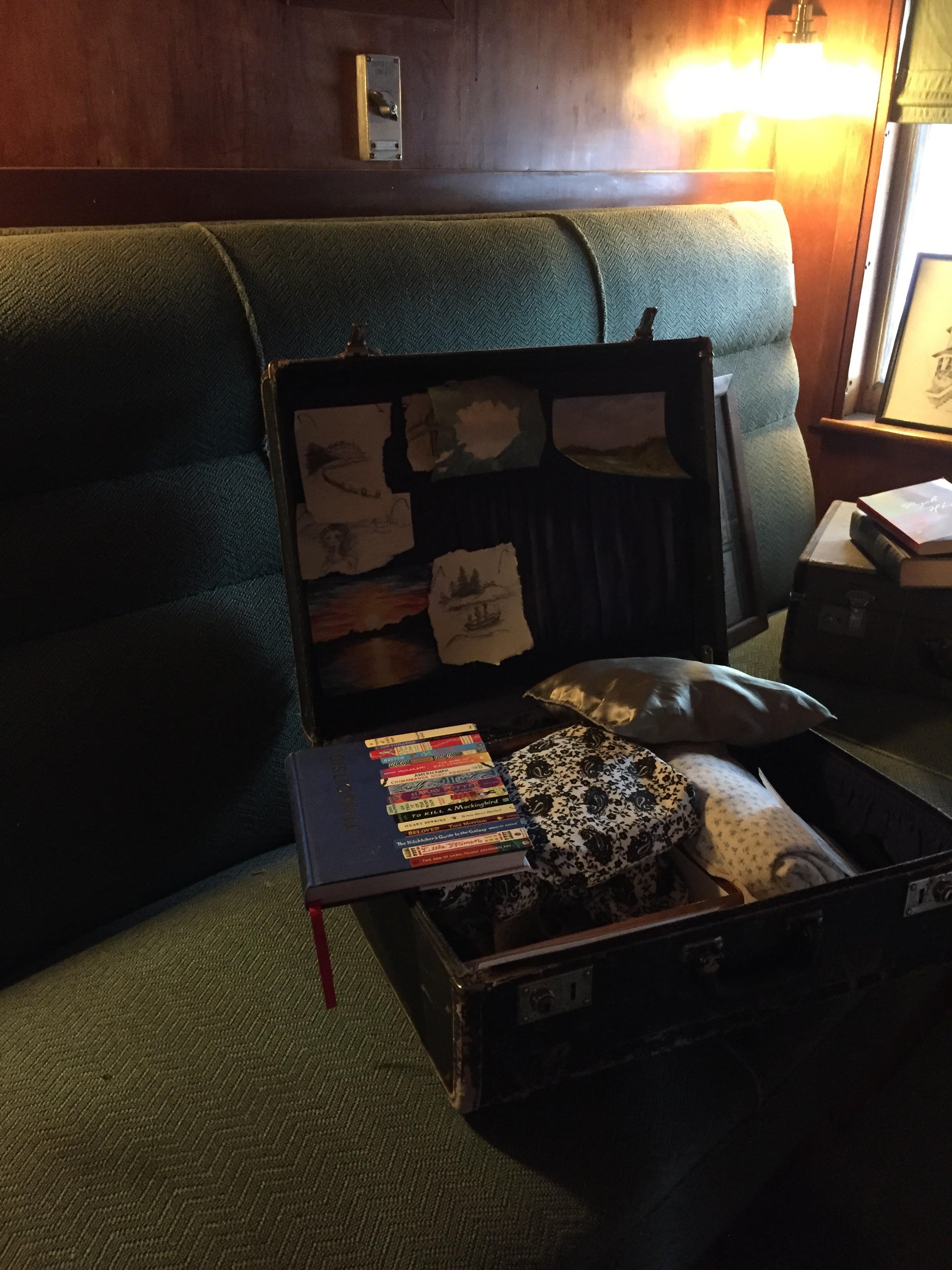
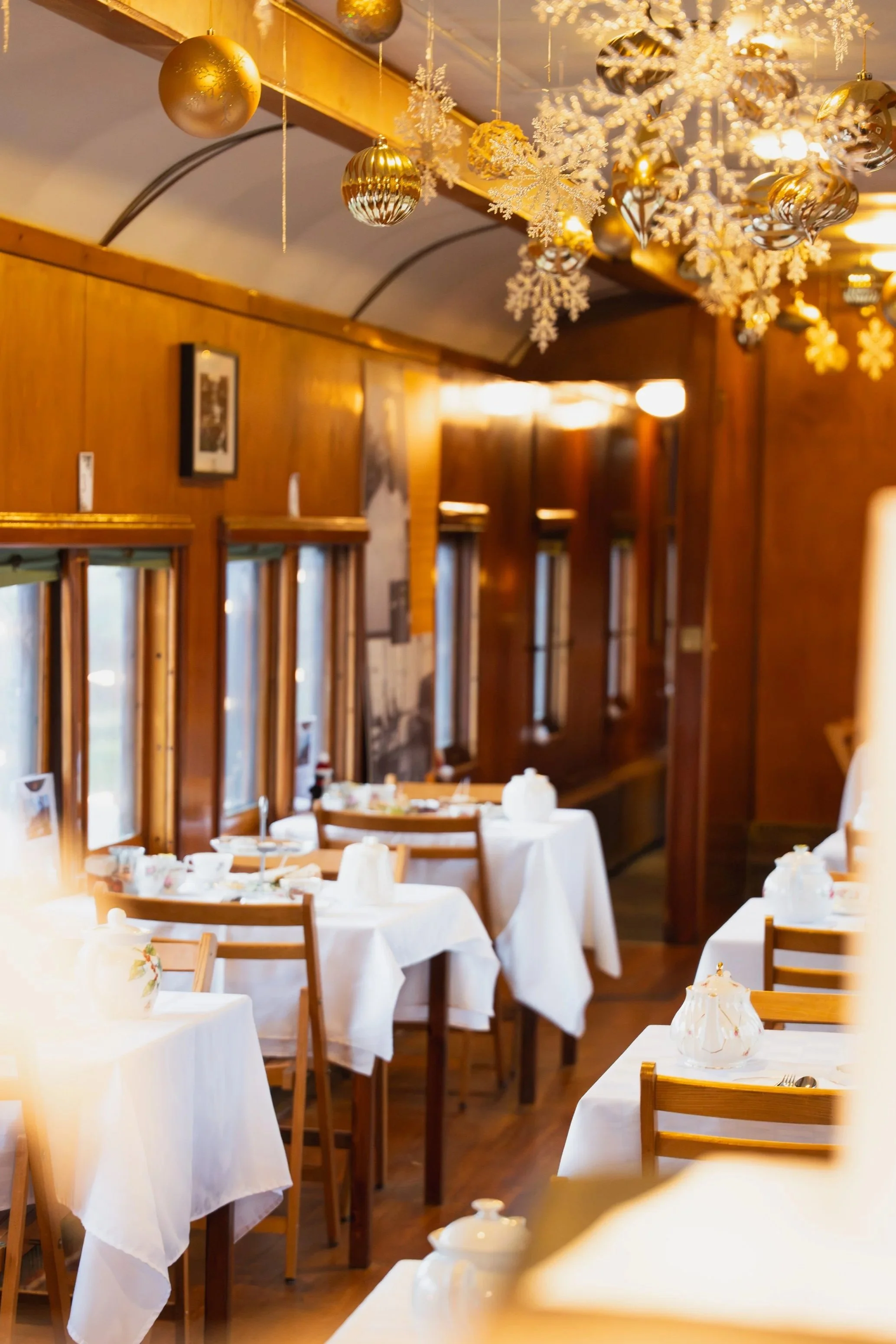
To keep up the historical charm, two restored sleeping compartments were decorated with historical artefacts. One compartment shows the top and lower berths set for night use. In the second compartment, the lower berth has been converted into a couch for day use, and the upper berth is recessed into the wall. Past these compartments, a recreated dining area was designed for rental and public use.
The restoration was finished in 1992, and a special ceremony was celebrated to officially re-open Venosta to the public in September of that year.
In 2012, a new canopy was built over Venosta to protect it from the weather. The steel canopy was built with a vintage design and was generously paid for by a joint grant from the City of Port Moody and the Federal Government. Today, Venosta now stands on static display as the POMO Museum’s crown jewel.
Today
Today, Venosta is available to explore, visit, or rent. It is decorated inside for seasonal themes, and we host special events such as Tea on the Train, Movie Nights, and more.
ABOUT US TODAY
ABOUT US TODAY
UPCOMING EVENTS
UPCOMING EVENTS
LEARN THE HISTORY
LEARN THE HISTORY
RENT THE VENUE
RENT THE VENUE
This page was researched and updated by POMO Museum volunteer, Michael Penco
Works Cited
Age of Steam Roundhouse Museum. “Heavyweight Coaches – CB&Q 6114 & 6148. Accessed 5 June 2026. https://ageofsteamroundhouse.org/collections/__trashed/
“APXX 1001 ‘Glen Sutton’.” April 17, 2009. https://rrpicturearchives.net/showPicture.aspx?id=1825784#google_vignette
Bridgeman, Troy. “Riding the rails into history.” Guelph Today. Published 15 March 2020, https://www.guelphtoday.com/rooted/riding-the-rails-into-history-2113480
Canadian Pacific Historical Association. “The Official Register of Passenger Train Equipment – Canadian Pacific Railway.” Published January 1954. https://www.cptracks.ca/data/Equipment_List/54Jan_passenger_oropte.pdf
Canadian Railroad Historical Association. “The 50th Anniversary of the CPR Stainless Steel Passenger Fleet.” Canadian Rail, no. 503 (2004): 211-223. https://exporail.org/canrail/canadian_rail_1990_plus/canadian-rail-503-2004.pdf
City of Port Moody. “Al Sholund’s Historical Insights.” Accessed June 26, 2026. https://www.portmoody.ca/arts-culture-and-heritage/heritage-and-history/al-sholund-s-historical-insights/.
“CP ‘Val David’.” August 28, 2008. http://rrpicturearchives.net/showPicture.aspx?id=1818492
“Make Tracks to Station Museum.” Port Moody City News, Winter 1985. p. 3.
New York State Archives. “NYSA_A3045-78_X_24233 - New York. Buffalo. N.Y. Central Railroad. Terminal: Air Conditioning of Pullman Car.” July 21, 1936. https://digitalcollections.archives.nysed.gov/Detail/objects/46906
Old Time Trains. “Canadian Pacific Railway Rules Exam, Vision Test, Dental, School, Safety.” Accessed June 19, 2026. https://trainweb.us/oldtimetrains/photos/cpr_rolling/nine.htm
POMO Museum. “1000.004.128 - Blueprint; Venosta CPR.” PastPerfect. Accessed 12 June 2026. https://mypastperfect.com/Catalogs/Details?position=1&id=20076&collection=fullCatalogSearchRecords
POMO Museum. “1993.246.002 - Print Photo; Venosta.” PastPerfect. Accessed 5 June 2026. https://mypastperfect.com/Catalogs/Details?position=48&id=9004&collection=fullCatalogSearchRecords
POMO Museum. “1993.246.009 - Print Photo; Venosta.” PastPerfect. Accessed 5 June 2026. https://mypastperfect.com/Catalogs/Details?position=30&id=8041&collection=fullCatalogSearchRecords
POMO Museum. “1993.246.011 - Print Photo; Venosta.” PastPerfect. Accessed 5 June 2026. https://mypastperfect.com/Catalogs/Details?position=27&id=8019&collection=fullCatalogSearchRecords
POMO Museum. “2005.043.001 A-E - handbill; Port Moody Station Museum, Ven.” PastPerfect. Accessed 5 June 2026. https://mypastperfect.com/Catalogs/Details?position=8&id=20532&collection=fullCatalogSearchRecords
POMO Museum. “Venosta Railway Car 100 Years Old”. Accessed June 26, 2026. https://www.pomo.museum/featured-articles/venosta-railway-car-100-years-old
Port Moody Heritage Society. Venosta Opens to Public. October 1992.
Réseau du Patrimoine de Gatineau et de l’Outaouais. “Ancienne Gare de Venosta.” Accessed 5 June 2026. https://www.reseaupatrimoine.ca/sur-les-traces-du-patrimoine/fiches/ancienne-gare-de-venosta/
Strandberg, Diane. “Venosta Under Cover.” Tri-City News, June 1, 2012. A23. https://www.newspapers.com/image/1276461601/?match=1&terms=venosta
Willis, Bob. Email message to Mattea Cifrek. June 9, 2026.

