
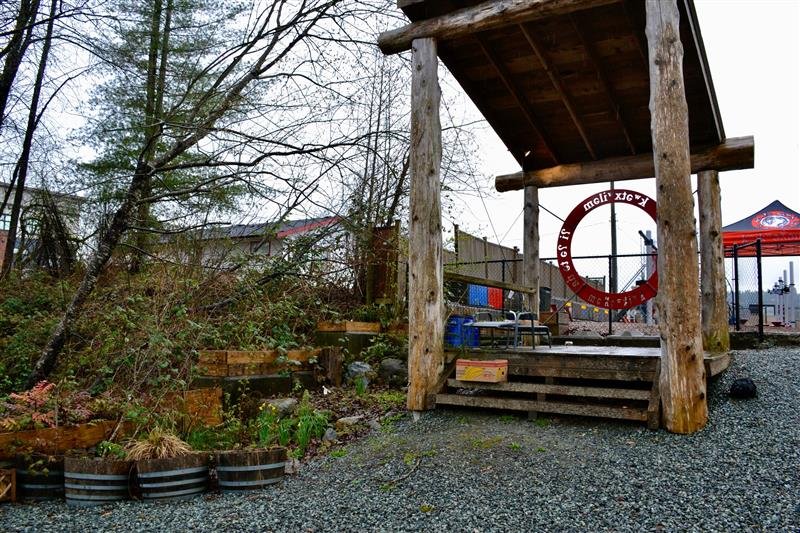
Kwikwetlam first nations
Member Responses
What does “caring for the land” mean to you or your community?
“Caring for the land means learning what my ancestors knew before me. It means listening to what is already built into my DNA and trusting my internal compass. The land has changed, but not in every way. It still could restore itself when given the chance […] Thousands of years ago, my ancestors allowed the land to care for them. Today we say we care for the land — but maybe one day, if we do this properly, the land will care for us again.”
- Kristinia Joe, kʷikʷəƛ̓əm Cultural Knowledge Holder
“It is all our duty to pitch in where help is needed. If we didn't grow it nobody ate and knowing how to care for the lands with our bare hands with hand tools and what the great creator provides us is a blessing.”
- Anita Hooper, kʷikʷəƛ̓əm First Nation Band Member
“Care for the land means understanding that the land is alive and connected to us. Growing up, I did not learn as much culture as I wish I had, but as I learn now through my Nation and Elders, I realize the land provided everything for our people. Caring for it means respecting it, learning its history, protecting the waters and plants, and making sure future generations can still connect to it.”
- Percy Cunningham, Fisherman at kʷikʷəƛ̓əm First Nation
“Working together and taking personal responsibility as stewards of the land and reflecting the understanding that we have a shared duty to respect, protect, and care for our Earth. It means to recognize that our future generations depend on the choices we make every day.”
- Tina Ginzburg, kʷikʷəƛ̓əm Member
How does Kwikwetlem First Nation support environmental stewardship in the Tri-Cities area?
“Conservation supports environmental stewardship by creating education and career opportunities for people to become land stewards, just as we once were. The most powerful learning comes from direct experience — being on the land, witnessing change, and hearing stories about what it once was and what it is now. These stories show both environmental harm and restoration, including reintroduced plants and recovering ecosystems.”
- Kristinia Joe, kʷikʷəƛ̓əm Cultural Knowledge Holder
“As Kwikwetlem members, we are always looking for ways to look after the lands through environmental stewardship. We reduce, recycle, reuse, and repurposing items that we buy. We support in conserving energy, the protection of wildlife, and making environmentally responsible choices in our every day lives.”
- Tina Ginzburg, kʷikʷəƛ̓əm Member
“Conservation helps protect what is left of the natural environment in the Tri-Cities. With so much development, conservation helps restore salmon habitats, wetlands, forests, and waterways that Indigenous people depended on for thousands of years. It also teaches people that protecting nature is not only about humans today, but about thinking seven generations ahead.”
- Percy Cunningham, Fisherman at kʷikʷəƛ̓əm First Nation
Are there particular plants, ecosystems, or landscapes in this region that are especially important to your community? Why?
“The entire region is important because it guided our survival. We followed the waters — when they rose, we moved higher, and when they lowered, we moved lower. When plants grew, we flourished, and when they declined, we adapted. The Coquitlam River is our lifeline, flowing from lake to river to ocean. I have seen it change from a heavily polluted river, once unsafe to swim in, to a recovering ecosystem where salmon and shellfish are returning. Everything connected to it matters — cedar, cottonwood, berries, crabapple trees, medicinal plants, shellfish, and all the animals that depend on this system. Everything is connected.”
- Kristinia Joe, kʷikʷəƛ̓əm Cultural Knowledge Holder
“Pitt River Road. My wish is for a gathering house be put there and kept maintained. Kitchen and fireplace maybe seasonal that can be taken up and down correctly. Learning the land is very important then you know what to do. I see what is in front of me and I go from there and work my way up.”
- Anita Hooper, kʷikʷəƛ̓əm First Nation Band Member
Can you share any teachings or perspectives about plants, nature, or the land that you feel are important for others to understand?
“The land must be given time to rest so it can continue to provide in the future. Traditional knowledge and modern practices work best together. All people originally had land-based teachings, and combining this knowledge with today’s systems helps us care for the land more responsibly.”
- Kristinia Joe, kʷikʷəƛ̓əm Cultural Knowledge Holder
“Traditional knowledge teaches us how our ancestors lived with the land instead of against it. Contemporary practice allows us to combine that knowledge with modern science, restoration work, and environmental management today. Both are important because they help us protect the land in ways that respect culture while adapting to modern challenges.”
- Percy Cunningham, Fisherman at kʷikʷəƛ̓əm First Nation
How do traditional knowledge and contemporary practices come together in your work today?
“I sing and I feel it through my heart and for those around me singing and making things happen is important other's vision's. I think I did the best we could with what we had.”
- Anita Hooper, kʷikʷəƛ̓əm First Nation Band Member
“It creates a more balanced, holistic approach. Traditional knowledge brings respect, relationship with the land, storytelling, medicines, and community responsibility. Contemporary practices can involve current technology, education, environmental science and professional methods. The combination helps preserve Indigenous knowledge while ensuring that cultural values and teachings continue to guide decision-making, sustainability, and community care for future generations.”
- Tina Ginzburg, kʷikʷəƛ̓əm Member
“Today they come together through restoration projects, stewardship programs, and Indigenous-led environmental work. Our Nation now has members being trained and working in stewardship fields, learning both scientific approaches and traditional teachings about the land and water. That balance is helping rebuild knowledge that was interrupted through colonization.”
- Percy Cunningham, Fisherman at kʷikʷəƛ̓əm First Nation
What role do plants or natural materials play in health, wellness, or cultural practices?
“Plants and natural materials play a vital role in health, wellness, and cultural identity. Many medicines come directly from the land and are simply prepared in different ways. Plants connect people to healing and culture through harvesting cedar, fishing, and using plants like fireweed, stinging nettle, and fruit trees like crabapple. These practices support physical, emotional, and spiritual wellness while passing teachings to future generations. Restoring traditional plants is also important, as many existed long before invasive species like Himalayan blackberry and Canary grass.”
- Kristinia Joe, kʷikʷəƛ̓əm Cultural Knowledge Holder
“Plants over all make me happy! Serotonin! Eating healthy, exercise because it’s always an adventure!”
- Anita Hooper, kʷikʷəƛ̓əm First Nation Band Member
“The importance of a holistic approach is so important for balance and support of ones physical, spiritual and emotional well being. Utilizing natural materials used for teas, salves, ceremonies, or healing practices support with connection to the land, strengthen community connection, identity, and respect for the land.”
- Tina Ginzburg, kʷikʷəƛ̓əm Member
What changes have you observed in the local environment over time?
“Having a relationship with the land, you see the changes being affected with working closely with it. I have observed climate change and the impacts on the land, water and ecosystems. I see a change in water quality, air pollution, and rising temperatures.”
- Tina Ginzburg, kʷikʷəƛ̓əm Member
“Over time, I have seen both negative and positive changes. Development has expanded into mountains and natural areas, with more buildings and infrastructure. At the same time, wildlife has returned — kingfishers, songbirds, ducks, bears, skunks, and otters. The Coquitlam River was once heavily polluted and unsafe, but today it is healing, with clearer water and returning salmon and shellfish.”
- Kristinia Joe, kʷikʷəƛ̓əm Cultural Knowledge Holder
“One of the biggest things I have learned is how much the land was altered through development, dykes, and urbanization. Flooding used to naturally spread nutrients throughout the land and support ecosystems, but many of those natural systems were stopped to protect human infrastructure. While those changes helped development, they also damaged habitats and disconnected the land from natural cycles it depended on.”
- Percy Cunningham, Fisherman at kʷikʷəƛ̓əm First Nation
Why is it important for communities to stay connected to the land, especially in urban areas like the Tri-Cities?
“I was told ‘you belong to this land; the land is you.’"
- Anita Hooper, kʷikʷəƛ̓əm First Nation Band Member
“Even in urban areas, the land still carries history, teachings, and life. Staying connected reminds people where they are and whose territory they live on. It also helps people slow down, learn respect for nature, and understand that cities still exist within ecosystems that need protection and balance.”
- Percy Cunningham, Fisherman at kʷikʷəƛ̓əm First Nation
What are some ways people can respectfully engage with and care for the land where they live?
“Learn from and respect Indigenous teachings and stewardship practices.”
- Tina Ginzburg, kʷikʷəƛ̓əm Member
“People can start by learning the history of the territory they live on and listening to Indigenous voices and knowledge keepers. Respect can also look like cleaning up waterways, planting native species, supporting conservation, removing invasive plants, and treating the land as something we belong to—not something we own.”
- Percy Cunningham, Fisherman at kʷikʷəƛ̓əm First Nation
Are there any programs, initiatives, or projects your Nation would like to highlight?
“I think Indigenous stewardship programs are extremely important right now. Seeing our Nation involved in environmental monitoring, restoration, and training our own people in stewardship work is inspiring. It creates opportunities for younger generations to reconnect with the land while helping protect it for the future.”
- Percy Cunningham, Fisherman at kʷikʷəƛ̓əm First Nation
“t́ák̓ʷ - kʷikʷəƛ̓əm t́ák ̓ ʷ Hatchery - Red fish up the river returning. Our hatchery and what my Nation is doing improve the eco system.”
- Tina Ginzburg kʷikʷəƛ̓əm Member
What does “growing” mean to you—personally, culturally, or environmentally?
“Growth means restoring cultural practices while adapting to today’s world. We cannot return exactly to the past due to colonization and environmental change, but we can rebuild balance in new ways. It means combining traditional knowledge with modern understanding to protect land, water, and future generations. For me, it is also about identity. As a Coast Salish person, reconnecting to who I have been a process of healing from systems like residential schools and the Indian Act. Growth is learning, adapting, and restoring balance between people and the land.”
- Kristinia Joe, kʷikʷəƛ̓əm Cultural Knowledge Holder
“It’s what I do, what I was taught.”
- Anita Hooper, kʷikʷəƛ̓əm First Nation Band Member
Is there anything else you would like to share with visitors to this exhibition?
“The land does not need us to save it — it needs us to stop harming it. We are not more powerful than the Earth. Everything is connected, and what we do to the land, water, and animals will eventually come back to us. If we continue to ignore the signs, future generations will carry the consequences. But if we listen, respect, and restore balance, there is still time to heal together.”
- Kristinia Joe, kʷikʷəƛ̓əm Cultural Knowledge Holder
“If you don't ask you don't know right?”
- Anita Hooper, kʷikʷəƛ̓əm First Nation Band Member
“I think many Indigenous people are relearning culture, land teachings, and history after generations of disruption. There can be sadness in realizing how much was lost, but also hope in seeing communities reconnecting, learning, and rebuilding relationships with the land again. The more we learn, the more we understand that caring for the environment is also caring for ourselves and future generations.”
- Percy Cunningham, Fisherman at kʷikʷəƛ̓əm First Nation
“Protecting our environment is a shared responsibility. Let’s knowledge learn, share, and take action to protect our environment.”
- Tina Ginzburg, kʷikʷəƛ̓əm Member

