
Learn about deaccesioned & repatriated items
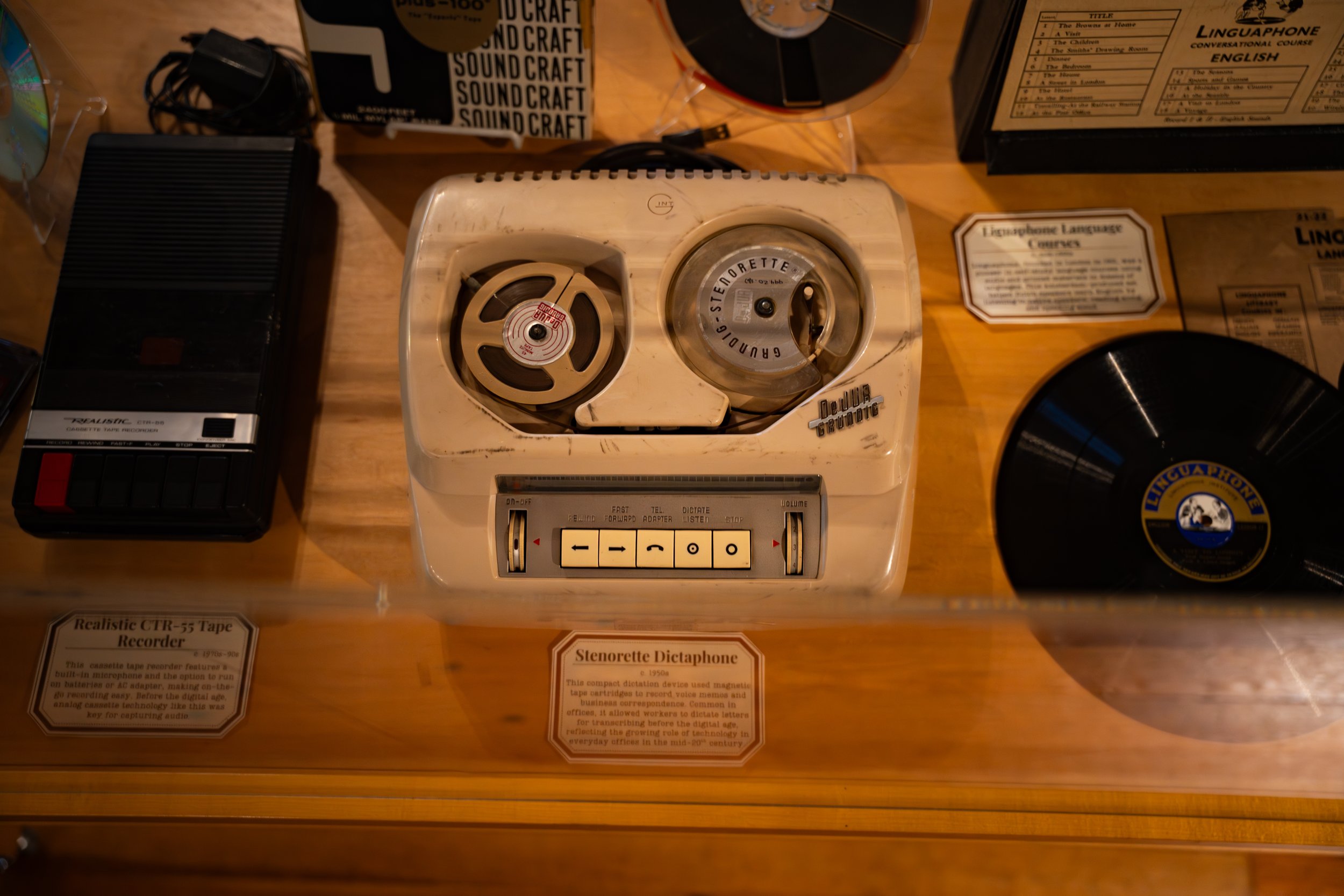
Deaccessioning: Caring for the Museum Collection
Museums collect objects to help preserve and share the stories of their communities. When an item enters the museum collection, it is formally recorded through a process called accessioning. Occasionally, museums must also remove objects from their collections. This process is called deaccessioning.
For a small institution like the POMO Museum, thoughtful collection management is essential. Our storage space and conservation resources are limited, so we must ensure that the objects we care for best support our mission and can be preserved properly for the future.
The POMO Museum is owned and operated by the Port Moody Heritage Society (PMHS). The society’s mission is to support the heritage and education surrounding the Burrard Inlet. Its members and staff strive to support the community and encourage heritage conservation through the development of exhibitions and collections, as well as advocacy for historic sites of significance such as the IOCO townsite.
Why objects may be deaccessioned
There are several reasons why a museum might remove an item from its collection. Common reasons include:
Relevance – The collecting focus of the museum may evolve over time. If an object no longer aligns with the museum’s mandate and goals, it may be considered for deaccessioning.
Duplication – Museums sometimes receive multiple examples of the same object. For instance, if the museum holds several of the same model of typewriter, it may not be necessary to keep all of them. The Collections Technician evaluates each item to determine which examples are in the best condition and have the strongest historical context or provenance.
Under-use – Some objects may rarely or never be used in exhibitions or research. If there is little likelihood that an object will be displayed or interpreted in the future, it may be appropriate to remove it from the collection.
Deterioration – Objects may become damaged or deteriorate over time. If the cost of conservation outweighs the value of the object to the collection, deaccessioning may be considered.
Hazardous materials – Some objects may pose potential health or safety risks to staff or visitors.
Storage limitations – Museums must ensure objects can be stored safely and properly. If an object cannot be housed appropriately, it may be considered for removal.
Provenance or ownership issues – In some cases, documentation may show that the museum does not legally hold clear title to an object.
How the process works
Deaccessioning is handled carefully and transparently. The process typically involves:
1. Evaluation – Museum staff assess the object and document the reasons it may be suitable for removal from the collection.
2. Review and approval – The recommendation is presented to the museum’s leadership, such as the Executive Director and/or Board of Directors, for formal approval.
3. Offering the object to other heritage organizations – If the donor is unknown or declines the object, it may be offered to other museums, archives, or heritage organizations.
4. Final disposition – If the object is not needed by another institution, it may be responsibly recycled, disposed of, or occasionally sold. Any funds from sales are reinvested directly into collections care.
Every step of the process is documented to ensure transparency and accountability.
Repatriation
Objects may also be removed from the museum’s collection through repatriation. Repatriation refers to the process of returning Indigenous ancestral remains and cultural belongings to the communities or Nations they belong to.
In Canada, repatriation work is guided by national frameworks such as the United Nations Declaration on the Rights of Indigenous Peoples (UNDRIP), which Canada adopted into federal law in 2021, and the Truth and Reconciliation Commission of Canada’s Calls to Action, particularly Call to Action #67.
These frameworks encourage institutions to support the return of Indigenous cultural heritage through respectful collaboration and transparent processes.
Unlike some countries that rely on strict federal legislation, repatriation in Canada often takes place through consultation and case-by-case collaboration between museums and Indigenous Nations. When objects in the museum’s collection are identified as being of Indigenous origin, the museum may begin a careful process of research, consultation, and communication to determine the appropriate community for return.
During this process, ancestral remains and sacred belongings must be treated with respectful care and appropriate cultural protocols while they remain in museum custody.
The POMO Museum has privately participated in the repatriation of a number of objects and remains committed to supporting respectful stewardship and the return of cultural belongings where appropriate.
A normal part of museum stewardship
Deaccessioning is a standard and responsible practice used by museums and galleries around the world. It allows institutions to refine their collections, improve storage and care for objects, and ensure their collections continue to support their mission.
Professional guidelines recommend that institutions consider many factors when making decisions about deaccessioning, including the impact on the collection, the institution, and the community it serves. The responsibility for these decisions ultimately rests with the museum’s governing body, and all actions must be properly documented.
Ultimately, the goal of deaccessioning is the same as accessioning: to ensure the museum’s collection remains meaningful, well cared for, and relevant to the community it serves.
Want to know more? Contact exhibits@pomo.museum

